Plan the work
Heating and cooling load inputs and system zoning. Ventilation and exhaust requirements for the actual use.
Mechanical + HVAC engineering
PRM develops mechanical systems around building use, occupancy, operating hours, equipment needs, and maintenance. Heating, cooling, ventilation, exhaust, and controls are coordinated with the spaces and structures they serve.
Clear scope, coordinated information, and accountable decisions from planning through delivery.
What PRM brings
Heating and cooling load inputs and system zoning. Ventilation and exhaust requirements for the actual use.
HVAC plans, ductwork and piping layouts, and details. Exhaust, makeup air, and equipment-specific interfaces.
Mechanical schedules, diagrams, and design documentation. Submittal and substitution review for design compatibility.
Mechanical planning starts with the thermal and ventilation demands of the building, including envelope assumptions, occupancy, internal loads, and special processes. System alternatives are considered alongside available utilities, replacement access, equipment location, and owner priorities.
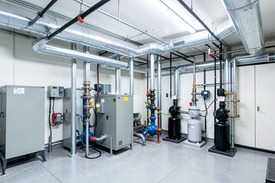
Routing is coordinated through the same ceiling, shaft, roof, and plant-room space used by other disciplines. The design addresses air paths, duct and piping distribution, condensate, insulation, noise-sensitive spaces, and the controls needed to operate the intended system.
Equipment substitutions and field changes can affect loads, controls, electrical requirements, and clearances. PRM carries those interfaces through submittal review, RFIs, and revision control. Testing, balancing, commissioning, and startup responsibilities are coordinated with the project team.
Working relationship
PRM tailors the deliverables, participating disciplines, and level of support to the assignment. Share what is available; the team will identify missing inputs, confirm responsibilities, and define the next useful milestone.
Common questions
Yes. PRM can coordinate this scope with the other architecture, engineering, BIM, and construction services required for the project. The proposal identifies the included deliverables, responsibilities, assumptions, and milestones.
Send the current drawings, open issues, review comments, and immediate deadline. PRM will first assess the available information and define a practical scope for joining the work.
Bring the real constraint
Share the location, current documents, target milestone, and the decision that cannot slip.
Start the conversation